
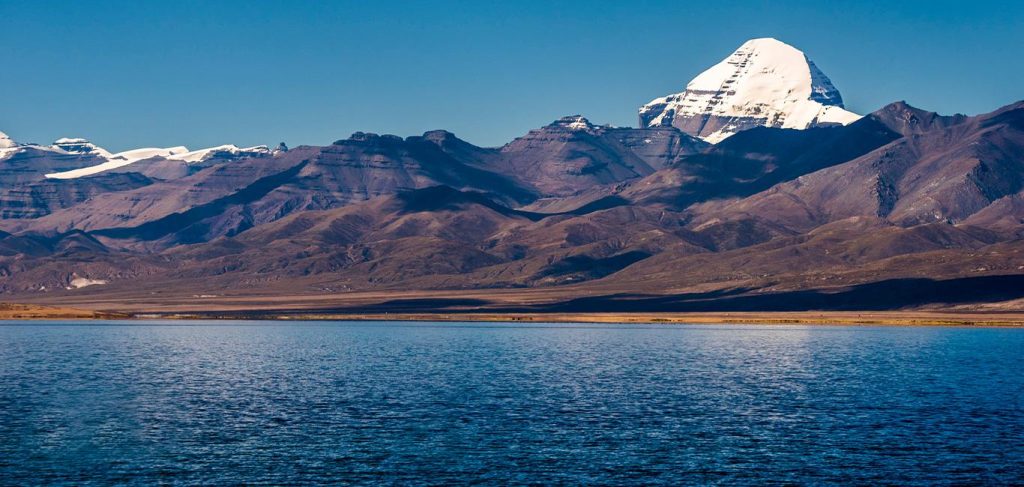
The best time for Kailash Mansarovar Yatra is generally from May to September, when pilgrimage routes across the Tibetan Plateau are more accessible and conditions are suitable for organised tours. Among these months, May, June, and September are popular choices, depending on your preferred travel conditions, spiritual interests, and itinerary.
The journey to sacred Mount Kailash and the holy Lake Mansarovar is a deeply meaningful pilgrimage for Hindus, Buddhists, Jains, and followers of the Bon tradition. However, because the region lies at a high altitude, choosing the right travel season is essential for a safer and more comfortable experience.
At KailashOperators.com, we recommend planning your journey around the seasonal weather, route accessibility, permit arrangements, and your physical readiness.
When Is the Best Time to Visit Kailash Mansarovar?
The main pilgrimage season generally runs from May through September, although actual departure dates depend on weather, permits, border conditions, and the operating schedule for your chosen route.
- May: The beginning of the main season, with potentially crisp mountain views and important religious festivals.
- June: A popular period for pilgrimage, with longer daylight hours and generally favourable travel conditions.
- July: Warmer conditions on the Tibetan Plateau, although the monsoon can affect travel through Nepal.
- August: A summer travel period with occasional rain, changing visibility, and possible route disruptions.
- September: Often an attractive option for clearer skies and mountain photography, although temperatures fall and early snowfall is possible.
No month guarantees perfect weather. Always confirm the departure schedule and route conditions before booking.
Month-by-Month Guide to Kailash Mansarovar Yatra
May – Beginning of the Pilgrimage Season
May marks the beginning of the main Kailash Mansarovar pilgrimage season. Winter conditions gradually ease, and organised departures may resume as routes become accessible.
Why consider May?
- Experience the opening part of the pilgrimage season.
- Enjoy potentially clear views of the Himalayan and Tibetan landscapes.
- Consider travel dates around significant religious festivals.
- Plan ahead for limited departure dates and permit processing.
Early-season snow, freezing nights, and unsettled weather remain possible, especially at high passes. Travellers should carry warm clothing and allow flexibility in their itinerary.
June – A Popular Month for Kailash Yatra
June is one of the most popular months for Kailash Mansarovar Yatra. Conditions are often suitable for overland travel and the Mount Kailash Parikrama, although weather can change rapidly at high altitude.
Why travel in June?
- Generally favourable conditions for organised pilgrimage tours.
- Long daylight hours for sightseeing and walking.
- Opportunities to experience religious and cultural celebrations, depending on the Tibetan calendar.
- A good option for travellers seeking a balance between seasonal accessibility and pilgrimage timing.
Book early if you prefer a particular departure date or group itinerary.
July – Summer Pilgrimage and Monsoon Considerations
July falls within the summer pilgrimage season. Temperatures can be relatively mild during the day, but the journey still involves cold nights, strong winds, and high-altitude exposure.
The Tibetan Plateau is relatively dry compared with Nepal’s monsoon-affected regions. However, rain, landslides, and road disruptions on the Nepal side may affect transfers to the border.
July travel tips:
- Allow extra time for overland journeys.
- Carry waterproof outerwear and suitable footwear.
- Prepare for cloudy skies and sudden temperature changes.
- Confirm road conditions and departure arrangements with your tour operator.
August – Summer Scenery and Changing Weather
August remains within the usual pilgrimage season. Some travellers prefer this period because of its summer atmosphere, but conditions vary considerably from year to year.
Rainfall in Nepal can affect road travel, while high-altitude routes in Tibet may experience wind, cold, or reduced visibility.
What should you consider before travelling in August?
- Check the condition of the approach roads and border crossing.
- Pack for both rain and freezing temperatures.
- Maintain flexibility in your travel schedule.
- Follow your guide’s advice during the Parikrama.
August can be a suitable month when the route is operating normally and the itinerary matches your needs.
September – An Excellent Option for Mountain Views
September is often considered one of the most attractive months for Kailash Mansarovar Yatra. Conditions may become clearer after the summer monsoon, creating opportunities for beautiful mountain views and photography.
Why choose September?
- Potentially clear skies and impressive views of Mount Kailash.
- Cooler conditions across the Tibetan Plateau.
- A possible reduction in visitor numbers after the busiest summer periods.
- Attractive landscapes around Lake Mansarovar.
However, temperatures can drop quickly, and early snowfall may affect high passes. Late-season departures require particular attention to the operator’s confirmed schedule and local conditions.
Which Month Is Best for Kailash Mansarovar Yatra?
The ideal month depends on your priorities.
| Your priority | Months to consider |
|---|---|
| Beginning-of-season pilgrimage | May |
| Popular summer departures | June–August |
| Mountain views and photography | June or September |
| Religious festival experience | Dates based on the Tibetan lunar calendar |
| Cooler weather and potentially fewer crowds | September |
These are general planning recommendations rather than guarantees of weather, crowd levels, or route availability.
Best Time for Kailash Parikrama
The Mount Kailash Parikrama, also known as the Kora, is among the most significant parts of the pilgrimage. The traditional circuit is approximately 52 kilometres and typically takes three days, depending on the itinerary, weather, and the traveller’s physical condition.
The route includes Dolma La Pass, at approximately 5,630 metres, where cold, wind, snow, and altitude can make walking demanding even during the main pilgrimage season.
Before undertaking the Parikrama:
- Follow a gradual acclimatisation schedule.
- Discuss your fitness and medical suitability with a qualified healthcare professional.
- Carry warm layers, gloves, sturdy footwear, and weather protection.
- Walk at a steady pace and follow your guide’s instructions.
- Report symptoms of altitude illness promptly and follow professional advice about descending when necessary.
Choosing a suitable season helps, but it does not remove the risks associated with high-altitude travel.
What Is the Best Time to Visit Lake Mansarovar?
Lake Mansarovar is an important spiritual destination on the Kailash pilgrimage route. During the main travel season, visitors may experience the lake’s striking blue waters, surrounding mountain scenery, and peaceful atmosphere.
May through September is generally the practical period to plan a visit, subject to local access and weather conditions.
Travellers should prepare for cold winds, strong sunlight, and substantial temperature differences between daytime and nighttime. Follow local guidance concerning access to the lake and any religious activities.
Important Travel Tips Before Booking Your Yatra
Regardless of the month you choose, preparation is essential for this high-altitude journey.
1. Confirm permits and travel documents
Entry requirements depend on nationality, route, and current regulations. Confirm the required visa, permits, and supporting documents with your tour operator before making non-refundable arrangements.
2. Choose the right route
Compare the available overland and other authorised travel options according to your budget, travel time, physical requirements, and departure dates.
3. Prepare for high altitude
The itinerary should allow time for acclimatisation. The Mount Kailash Parikrama is physically demanding, and travellers should not assume that good general fitness alone eliminates altitude-related risks.
4. Pack for changing weather
Bring thermal layers, a warm jacket, waterproof outerwear, sun protection, suitable walking shoes, and any personal medication recommended by your healthcare professional.
5. Keep your schedule flexible
Weather, road conditions, permits, and border operations can affect departure dates and journey duration. Confirm current arrangements before travelling.
Frequently Asked Questions
1. What is the best month for Kailash Mansarovar Yatra?
May, June, and September are popular choices. June offers a good balance within the main pilgrimage season, while September may provide excellent mountain visibility. The best option depends on current weather, route availability, and your priorities.
2. Can I visit Kailash Mansarovar in July and August?
Yes, these months are generally within the main pilgrimage season, subject to route access and permit arrangements. However, monsoon-related disruptions in Nepal and changing weather in Tibet may affect the journey.
3. Is September a good time for Kailash Mansarovar Yatra?
September can be an excellent time because of potentially clearer skies and attractive mountain views. However, colder weather and early snowfall are possible, so confirm that your selected departure is operating.
4. Is the Kailash Mansarovar Yatra open throughout the year?
No. The main organised pilgrimage season generally runs from May to September. Winter snow, severe cold, and route restrictions make travel outside the normal season difficult or unavailable. Exact opening and closing dates vary.
5. How many days are required for Kailash Mansarovar Yatra?
The total duration depends on the route, starting point, transport arrangements, acclimatisation schedule, and Parikrama itinerary. Overland journeys from Kathmandu commonly take around two weeks or longer. Confirm the complete itinerary before booking.
6. How can I choose the right Kailash Mansarovar Yatra package?
Compare the itinerary, travel duration, accommodation, meals, transport, permit arrangements, guide support, inclusions, exclusions, and cancellation policy. Choose a package that suits your physical needs and allows an appropriate acclimatisation schedule.
Plan Your Kailash Mansarovar Yatra with KailashOperators.com
Choosing the right time is an important first step toward a meaningful and well-organised pilgrimage. Whether you prefer an early-season departure, a summer journey, or the potentially clearer skies of September, planning ahead helps you prepare for the unique conditions of the Tibetan Plateau.
Ready to plan your pilgrimage?
Explore available Kailash Mansarovar Yatra packages, compare itineraries, and contact our team to discuss departure dates, route options, permits, and travel preparations.
Begin planning your sacred journey to Mount Kailash and Lake Mansarovar with KailashOperators.com.
Travel note: All departures are subject to applicable permits, border regulations, weather, and local operating conditions. Confirm the latest arrangements before booking.